


This Moodle site supports the in person PHIL 2310 course offered in the summer of 2023 in Williams Lake.
- Teacher: J Randolph Radney
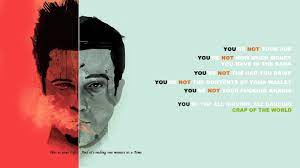
WELCOME!!! “Satire” is a term applied to works of literature and art where the common objective is to draw attention to social, political, religious, and institutional failings. Satire exposes humanity’s greed, vanity, hypocrisy, pedantry, idolatry, bigotry, and sentimentality in order to effect recognition and encourage reform. However, what is considered “satire” is often hard to discern, merely offensive content, or it is misinterpreted altogether. If we delve into the rich history of satire, we find it stretches from Roman times to Europe in the Middle Ages, and right into the 21st century. The purpose of this course is to examine the origins of satire and how was, and still is, employed to uncover and (hopefully) correct human folly. First, students will be introduced to two Roman styles of satire: Horatian and Juvenalian. Then, we will study and discuss a variety of satirical works by medieval and Enlightenment poets and authors beginning with selections from The Canterbury Tales by Geoffrey Chaucer and moving forward with Alexander Pope’s mock epic The Rape of the Lock, and Jonathan Swift’s A Modest Proposal. We will then turn to more modern satirical works by short story writers, such as Nikolai Gogol and Kurt Vonnegut Jr., cartoons such as The Simpsons, South Park, and Family Guy, late-night talk show hosts that include John Oliver and Steven Colbert, as well as the cast of Saturday Night Live. We will also scrutinize the repercussions when satire goes too far, such as the “punching down” comedy of Dave Chappelle and Ricky Gervais, and “cancel culture,” as well as the violent 2015 attack on the weekly satirical newspaper, Charlie Hebdo. The course will conclude with a critical examination of both Chuck Palahniuk’s novel (1996) and David Fincher’s film (1999) Fight Club.
- Teacher: Tara Chambers